


Is It Time To Replace Your Boiler?
Installing a new gas central heating system can boost energy efficiency, reduce your bills and provide consistent warmth throughout your home with modern, reliable technology.

Why you can trust our content
We understand that the boiler industry can be confusing, with plenty of outdated or misleading information. That’s why we rely only on trusted, proven sources to guide our advice and installations:
At a glance
A boiler is the heart of your home’s heating system, working tirelessly behind the scenes to provide hot water and warmth. Often taken for granted, it operates quietly and efficiently—until something goes wrong. Like any appliance, boilers have a limited lifespan and will eventually show signs of wear and tear. Neglecting these warning signs can lead to higher energy bills, costly repairs, and even unexpected breakdowns, leaving you without heat or hot water when you need it most.
Recognising when to replace your boiler is crucial to maintaining a safe, efficient and comfortable home. By upgrading to a modern, energy-efficient model, you can enjoy lower energy costs, better performance, and peace of mind. In this guide, we’ll highlight the key indicators that it might be time to retire your old boiler and invest in a replacement.
1. Your Boiler is Over 10-15 Years Old
The typical lifespan of a boiler is around 10-15 years, depending on the make, model and maintenance history. Older boilers are often less efficient, costing more to run and repair. Even if your boiler appears to be functioning, upgrading to a modern, energy-efficient model is worth considering. Newer boilers are typically A-rated for efficiency and can save you a significant amount on your energy bills over time.
2. Frequent Breakdowns and Repairs
Regular breakdowns are a clear sign that your boiler is nearing the end of its life. While occasional repairs are to be expected, frequent callouts can quickly become expensive. If you find yourself repeatedly fixing the same issues or spending more than half the cost of a new boiler on repairs, it’s time to invest in a replacement.
3. Increasing Energy Bills
If your energy bills are creeping up despite consistent usage, your boiler might be losing efficiency. As boilers age, their components wear out, making them work harder to produce the same amount of heat. This inefficiency not only affects your wallet but also increases your carbon footprint.
4. Strange Noises
While no boiler is entirely silent, unusual sounds like banging, whistling or gurgling could indicate a serious problem. These noises may be caused by internal components wearing out, sediment build-up, or even air in the system. Although some of these issues can be repaired, persistent noises are often a sign that your boiler is on its last legs.
5. Uneven Heating in Your Home
If some rooms in your house feel colder than others, it might be a sign that your boiler is struggling to distribute heat effectively. Poor performance can be caused by wear and tear, blockages, or an inability to meet your home’s heating demands. A new boiler can resolve these issues, ensuring consistent warmth throughout your home.
6. Yellow Flame or Pilot Light Issues
A healthy boiler flame should burn bright blue. If you notice a yellow or orange flame, it could indicate incomplete combustion, which may lead to carbon monoxide production. Carbon monoxide is a highly dangerous gas that’s odourless and colourless. If your boiler’s pilot light frequently goes out or the flame changes colour, seek professional help immediately and consider a replacement.
7. Leaks and Corrosion
Water leaks around your boiler or visible signs of corrosion are clear indicators of serious issues. Leaks can damage other components, lead to inefficiency, and even cause structural damage to your home. While small leaks might be repairable, widespread corrosion often means your boiler needs to be replaced.
8. Outdated Technology
Older boilers lack the modern technology found in newer models, such as smart controls, weather compensation, and energy monitoring. These features not only improve convenience but also help optimise efficiency and reduce running costs. If your boiler doesn’t support these advancements, upgrading could be a wise decision.
9. Failing to Meet Your Heating and Hot Water Needs
If your boiler takes longer to heat up, struggles to provide enough hot water, or fails to keep your home warm, it’s time to consider a replacement. Boilers that can no longer cope with your household’s demands are not only inconvenient but also inefficient.
Key Signs You Need a New Boiler
Replacing your boiler might seem like a significant investment, but it can save you money and provide peace of mind in the long run. An energy-efficient boiler reduces your heating costs, lowers your carbon footprint, and ensures reliable performance. If you recognise any of the signs above, it’s worth consulting a professional heating engineer to discuss your options. Don’t wait for a complete breakdown—a proactive approach can prevent inconvenience and additional costs during the colder months.
The team at Safe Heating Solutions will give you an honest opinion about replacing your boiler in Derby, Nottingham, Belper, Long Eaton, Burton on Trent and the surrounding areas. Get in contact for a free no no-obligation quote today.
Related articles

What type of boiler do you currently have?

Combi Boiler
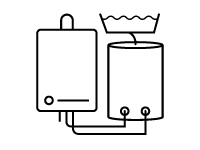
Regular Boiler
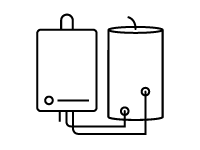
System Boiler
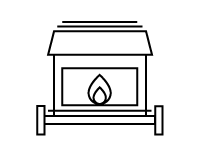
Back Boiler
At a glance
A boiler is the heart of your home’s heating system, working tirelessly behind the scenes to provide hot water and warmth. Often taken for granted, it operates quietly and efficiently—until something goes wrong. Like any appliance, boilers have a limited lifespan and will eventually show signs of wear and tear. Neglecting these warning signs can lead to higher energy bills, costly repairs, and even unexpected breakdowns, leaving you without heat or hot water when you need it most.
Recognising when to replace your boiler is crucial to maintaining a safe, efficient and comfortable home. By upgrading to a modern, energy-efficient model, you can enjoy lower energy costs, better performance, and peace of mind. In this guide, we’ll highlight the key indicators that it might be time to retire your old boiler and invest in a replacement.
1. Your Boiler is Over 10-15 Years Old
The typical lifespan of a boiler is around 10-15 years, depending on the make, model and maintenance history. Older boilers are often less efficient, costing more to run and repair. Even if your boiler appears to be functioning, upgrading to a modern, energy-efficient model is worth considering. Newer boilers are typically A-rated for efficiency and can save you a significant amount on your energy bills over time.
2. Frequent Breakdowns and Repairs
Regular breakdowns are a clear sign that your boiler is nearing the end of its life. While occasional repairs are to be expected, frequent callouts can quickly become expensive. If you find yourself repeatedly fixing the same issues or spending more than half the cost of a new boiler on repairs, it’s time to invest in a replacement.
3. Increasing Energy Bills
If your energy bills are creeping up despite consistent usage, your boiler might be losing efficiency. As boilers age, their components wear out, making them work harder to produce the same amount of heat. This inefficiency not only affects your wallet but also increases your carbon footprint.
4. Strange Noises
While no boiler is entirely silent, unusual sounds like banging, whistling or gurgling could indicate a serious problem. These noises may be caused by internal components wearing out, sediment build-up, or even air in the system. Although some of these issues can be repaired, persistent noises are often a sign that your boiler is on its last legs.
5. Uneven Heating in Your Home
If some rooms in your house feel colder than others, it might be a sign that your boiler is struggling to distribute heat effectively. Poor performance can be caused by wear and tear, blockages, or an inability to meet your home’s heating demands. A new boiler can resolve these issues, ensuring consistent warmth throughout your home.
6. Yellow Flame or Pilot Light Issues
A healthy boiler flame should burn bright blue. If you notice a yellow or orange flame, it could indicate incomplete combustion, which may lead to carbon monoxide production. Carbon monoxide is a highly dangerous gas that’s odourless and colourless. If your boiler’s pilot light frequently goes out or the flame changes colour, seek professional help immediately and consider a replacement.
7. Leaks and Corrosion
Water leaks around your boiler or visible signs of corrosion are clear indicators of serious issues. Leaks can damage other components, lead to inefficiency, and even cause structural damage to your home. While small leaks might be repairable, widespread corrosion often means your boiler needs to be replaced.
8. Outdated Technology
Older boilers lack the modern technology found in newer models, such as smart controls, weather compensation, and energy monitoring. These features not only improve convenience but also help optimise efficiency and reduce running costs. If your boiler doesn’t support these advancements, upgrading could be a wise decision.
9. Failing to Meet Your Heating and Hot Water Needs
If your boiler takes longer to heat up, struggles to provide enough hot water, or fails to keep your home warm, it’s time to consider a replacement. Boilers that can no longer cope with your household’s demands are not only inconvenient but also inefficient.
Key Signs You Need a New Boiler
Replacing your boiler might seem like a significant investment, but it can save you money and provide peace of mind in the long run. An energy-efficient boiler reduces your heating costs, lowers your carbon footprint, and ensures reliable performance. If you recognise any of the signs above, it’s worth consulting a professional heating engineer to discuss your options. Don’t wait for a complete breakdown—a proactive approach can prevent inconvenience and additional costs during the colder months.
The team at Safe Heating Solutions will give you an honest opinion about replacing your boiler in Derby, Nottingham, Belper, Long Eaton, Burton on Trent and the surrounding areas. Get in contact for a free no no-obligation quote today.
Related articles
What type of boiler do you currently have?
Combi Boiler
Regular Boiler
System Boiler
Back Boiler


